In the world of automotive maintenance, few tasks are as fundamental — and as overlooked — as the oil change. It's easy to skip, easy to forget, and easy to assume it can wait a few thousand more miles. But clean oil is the single cheapest thing standing between your engine and an early grave. Here's why it matters so much.
What your oil is actually doing
Engine oil does far more than “lubricate.” It's doing at least five jobs at once:
- Lubricating hundreds of metal surfaces moving at high speed
- Carrying heat away from the hottest parts of the engine
- Cleaning — holding combustion byproducts and debris in suspension
- Sealing the tiny gap between the pistons and cylinder walls
- Protecting against corrosion when the engine sits
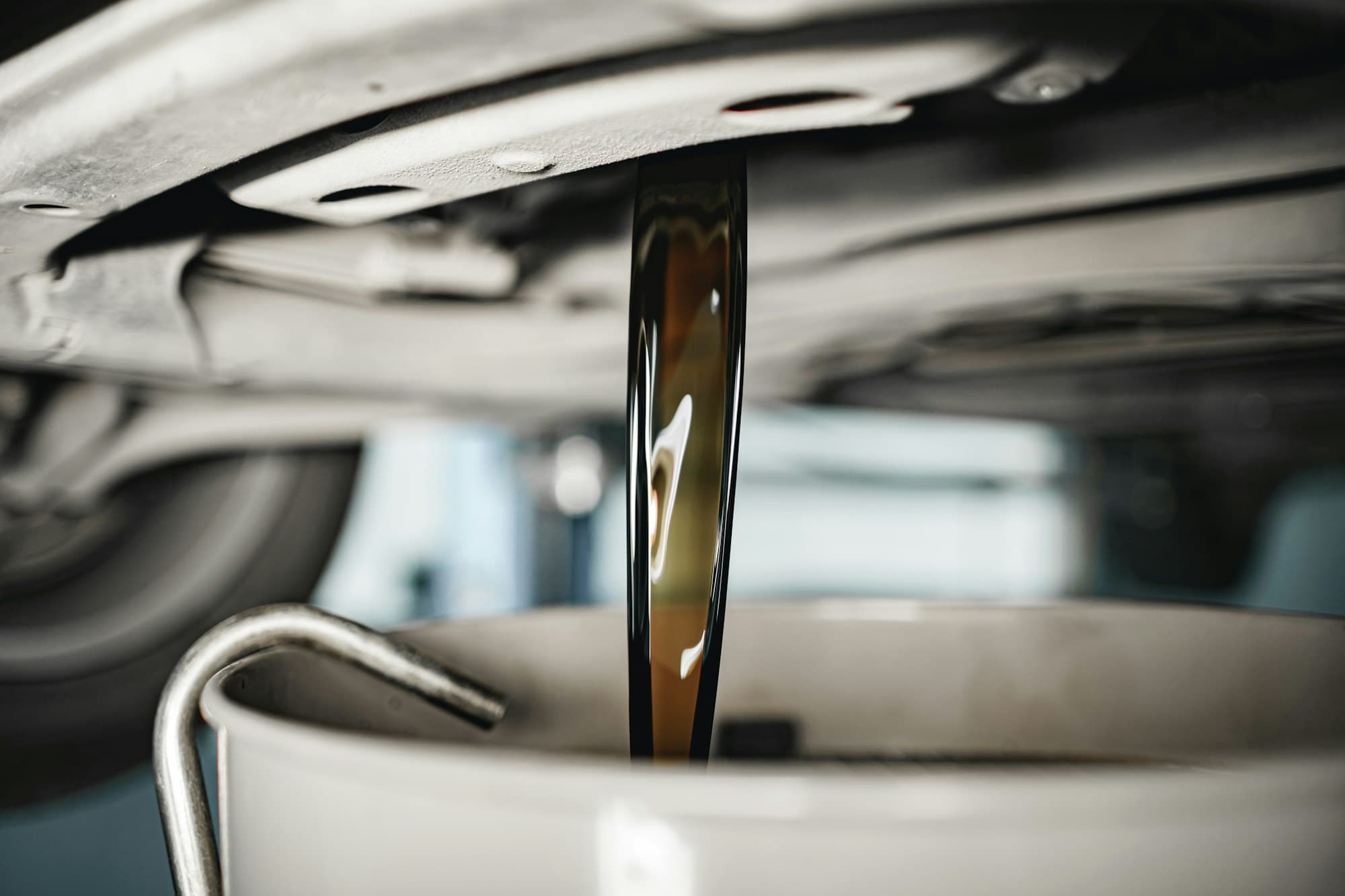
As oil ages it shears down, loses its additives, and gets loaded with contaminants. Old oil stops doing those jobs well — and that's when wear accelerates.
How often should you change it?
The old “every 3,000 miles” rule is outdated for most modern cars. A better answer: follow your manufacturer's interval, and lean toward the shorter end if you drive hard, tow, sit in traffic, or live somewhere hot — like Arizona. Full synthetic oils typically run 5,000–7,500 miles between changes, and some go further, but interval is only half the story; time matters too. Oil degrades even in a car that doesn't get driven much.
Heat is oil's enemy, and Arizona summers are brutal on it. If you live in the Valley, treat the shorter end of your interval as the rule, not the exception.
Synthetic vs. conventional
Synthetic oil is engineered for consistency — it resists breaking down under heat, flows better when cold, and holds its protective properties longer than conventional oil. On any modern engine, and especially on a turbocharged, supercharged, or high-revving performance engine, full synthetic isn't a luxury; it's the right tool for the job. The extra cost per change is trivial next to what it protects.
Signs you're overdue
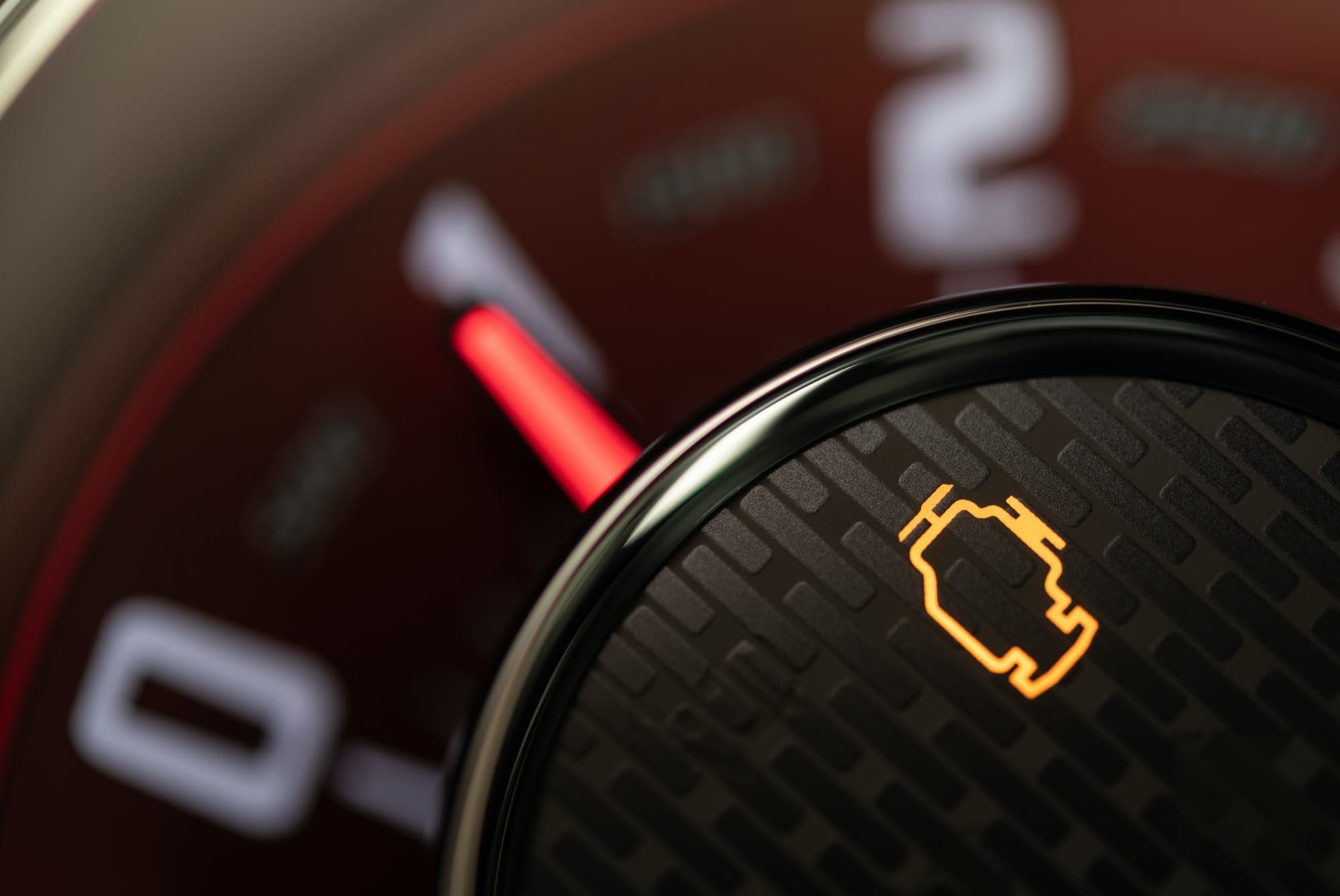
Don't wait for a warning light. Watch for:
- Oil that's dark, gritty, or smells burnt on the dipstick
- A ticking or louder-than-usual engine on cold start
- The oil-life monitor counting down toward zero
- It's simply been a while — and you can't remember exactly how long
It matters even more on a performance build
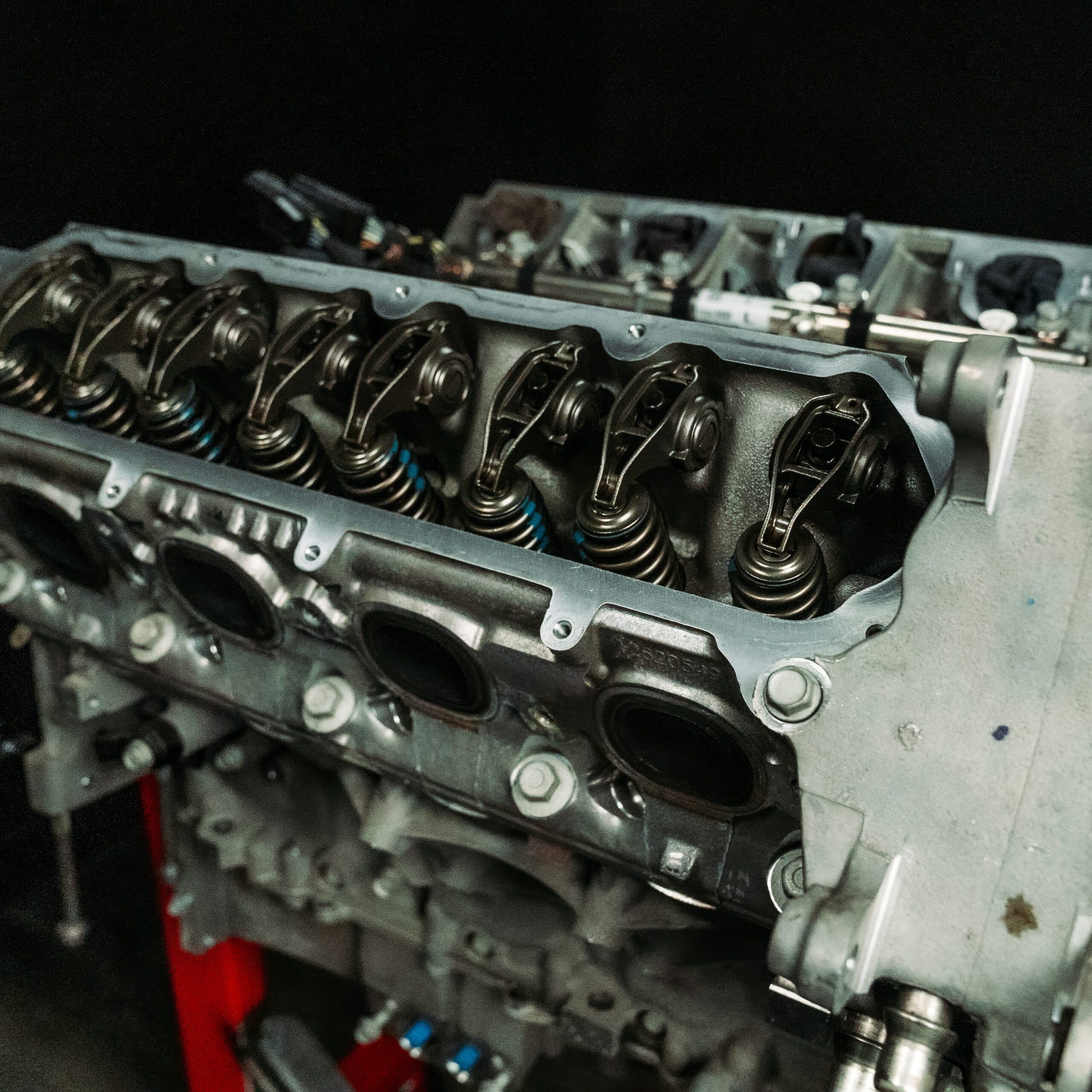
The more power you make, the more heat and stress your oil sees. Forced induction, aggressive cams, and track use all push oil harder. If you've modified your car, a quality synthetic on a disciplined interval is one of the cheapest ways to protect your investment. Keep up with it, and a healthy engine will happily give you tens of thousands of trouble-free miles.